
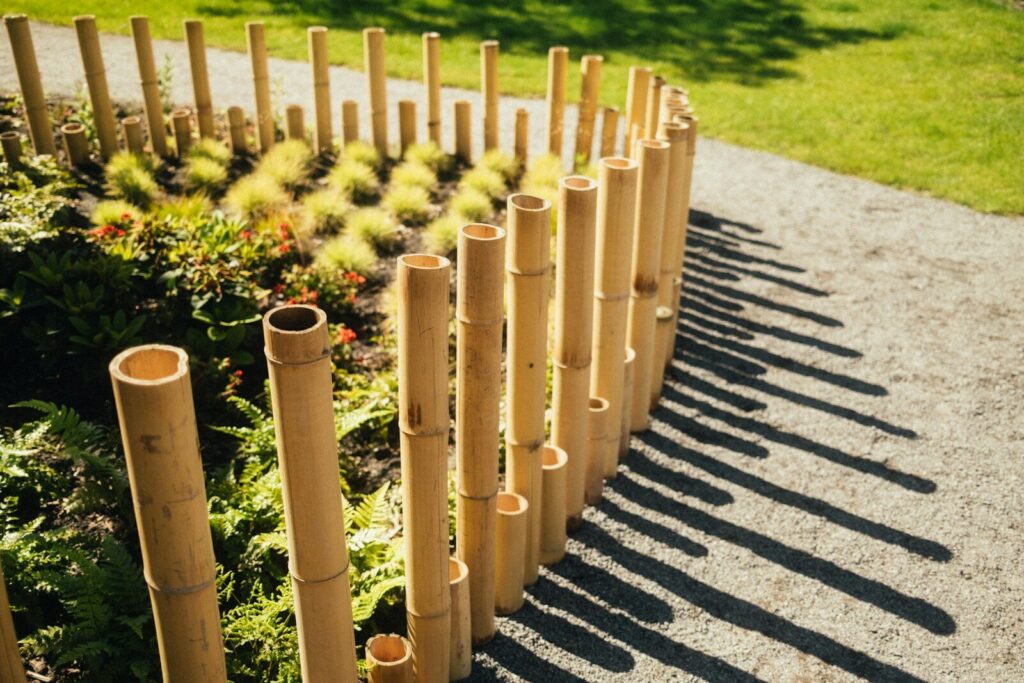
This is not a topic I really thought I’d be writing for a gardening blog, but over the past few years there have been a number of cases of people either destroying or vandalizing people’s gardens – in both community and private gardens. No gardener wants to see their hard work trampled or taken, and there are a few measures – from simple to high-tech that can help prevent incidents or help in brining those who did it to justice (sounds like a bad TV crime show, I know. Sorry!).
Option 1: Fencing
The first obvious choice in vegetable garden protection is fencing. This can be done on many levels – full 6′ boarded privacy fence, chainlink or cow fence, or as simple as a 2-3′ wire garden fence.
Choosing the type of fencing depends on your properly (or if it IS your property), who you’re trying to deter, what spacing you have and how much cost you want to allot to the fence.
My current main garden uses a 3-foot coated metal garden fence that came on a 50 foot roll (like this one from Yardguard), secured with a bunch of 4′ 2×2 stakes driven about a foot into the ground. I also built a simple gate with 2x2s and this fence plus a couple old hinges and a simple latch. I used this setup to help keep our two large dogs out of the garden, and try to prevent some smaller animals from eating our plants. Since I plan to expand the garden over a few years, the 3′ metal fence makes it easy to remove as I’m not doing any cement on posts. This style/size of fence would also deter people since stepping over a 3′ fence (especially at night) can be hazardous to your shins/feet/legs. Trust me, I’ve tripped into the garden multiple times when i get lazy and don’t want to walk to my gate, and I’m 6’2″ with long legs!
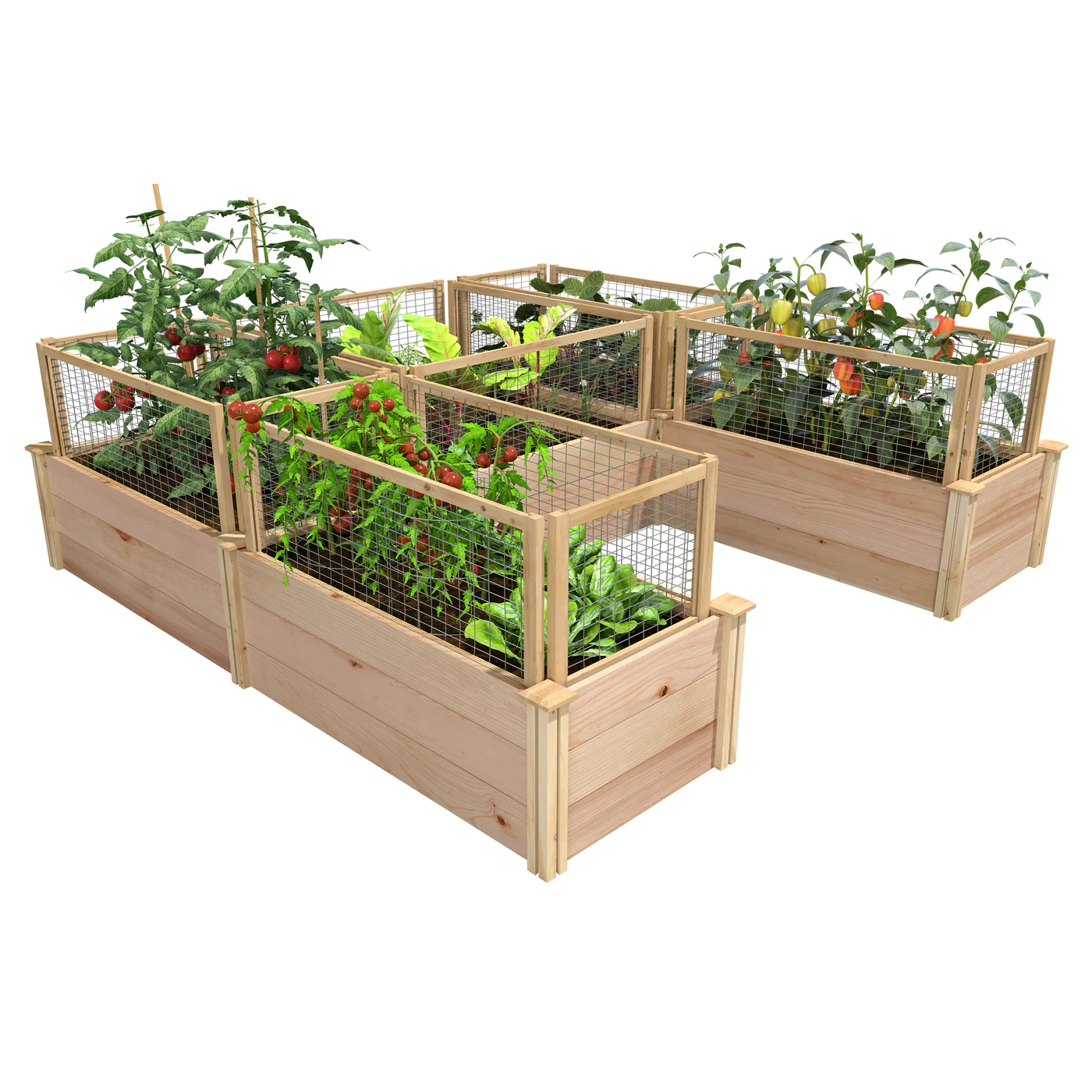
If you’re a raised bed gardener, the fence above would work as well, or some raised gardens come with their own built-in fence!

Option 2: Natural Fencing
Another option for gardens on your own property is natural fencing – that is, using plants to help block your garden from intruders.
This can be a really nice way to protect your space while also making it look beautiful. Instead of putting up a big fence, you can grow a “living wall” around your garden. Some plants grow thick and bushy, which makes it harder for people (and animals) to walk through.
Good choices for natural fencing include:
- Hedges like cedar or boxwood
- Thorny bushes like roses or hawthorn
- Fast-growing shrubs like lilac or dogwood
- Tall grasses like switchgrass or miscanthus
If you want extra protection, thorny plants are your best friend. A row of roses may look pretty, but those thorns can make people think twice before stepping through them!
Natural fencing does take time to grow, so it won’t work overnight. But once it fills in, it can be just as helpful as a regular fence. It also gives your garden more privacy and can help block wind.
One thing to remember: keep paths clear for yourself. You don’t want to make it hard for you to get in and out!
Option 3: Lighting
Light is a simple but powerful way to protect your garden.
Most people who want to cause trouble prefer to do it in the dark. If your garden is well-lit, it becomes much less appealing to them.
You don’t need anything fancy to get started. Some easy options include:
- Solar-powered garden lights
- Motion-sensor lights
- Porch lights aimed toward the garden
- String lights along fences
Motion lights are especially useful. When someone walks near your garden and a bright light suddenly turns on, it can surprise them and make them leave quickly.
Solar lights are also great because they don’t need wiring. You can just stick them into the ground where you need them.
Try to light up paths, entrances, and corners where someone might try to sneak in. The goal is to remove dark hiding spots.
Option 4: Cameras and Signs
This is where things get a bit more high-tech.
Security cameras can help you see what is happening in your garden, even when you are not there. Some cameras can send alerts to your phone if they detect motion.
You don’t need a big system like a store or office. Many small cameras are made for homes and are easy to set up. Some run on batteries, some just use solar power and wifi and others plug into an outlet.
Even a simple camera can help in two ways:
- It can scare people away if they see it
- It can help you know what happened if something goes wrong
Adding a sign can help too. A small sign that says “Camera in Use” or “Property Monitored” can make someone think twice.
Even if you don’t have a camera, a sign alone can sometimes be enough to stop someone from entering.
Option 5: Garden Layout and Visibility
How your garden is set up can also make a big difference.
If your garden is hidden behind a shed or tucked away where no one can see it, it may be easier for someone to sneak in. But if your garden is visible from your house, a road, or a neighbor’s yard, it is much safer.
Here are a few simple layout tips:
- Keep your garden in a spot you can see from a window
- Avoid tall barriers that block your view completely
- Trim back bushes or trees that create hiding spots
- Place valuable plants closer to your home
The more “eyes” on your garden, the better. Even friendly neighbors can help just by being nearby.
Option 6: Locks and Secure Storage
Sometimes it’s not just the plants that get taken. Tools, hoses, and supplies can also go missing.
If you have a gate, adding a simple lock can help. It doesn’t need to be complicated—just enough to make it harder to enter.
For tools and equipment:
- Store them in a shed or locked box
- Bring small tools inside when not in use
- Coil up hoses and store them neatly
If something is easy to grab, it is easier to take. Making things just a little harder can go a long way.
Option 7: Community Awareness
If you are part of a community garden, this step is very important.
Talk with other gardeners. Share concerns and keep each other informed. If everyone is watching out for the space, it becomes much harder for problems to happen.
Some helpful ideas include:
- Set up a group chat or email list
- Create a schedule so people visit regularly
- Add a shared sign with garden rules
- Work together to report issues
A strong community is one of the best forms of protection. When people care about a space, they help protect it.
Option 8: Marking and Tracking Your Plants
This might sound a bit strange, but it can help.
If you are growing valuable plants (like rare flowers or special vegetables), you can mark them in small ways:
- Use plant labels with your name
- Keep photos of your garden as it grows
- Write down what you planted and where
If something is taken, you have a record. This can help if you need to report it.
Some gardeners even use small tags or markers that are not easy to see, just to prove ownership.
Option 9: Simple Deterrents
Sometimes, the smallest tricks can make a big difference.
Here are a few simple ideas that don’t cost much:
- Wind chimes that make noise when moved
- Gravel paths that crunch when walked on
- Fake cameras or signs
- A radio playing softly during the day
These may not stop everyone, but they can make your garden feel more “active” and less like an easy target.
Option 10: Pets and Presence
If you have pets, they can be a natural deterrent.
Dogs, especially, can help keep people away just by being around. Even the sound of a bark can make someone leave.
But even if you don’t have pets, just being present helps a lot. Visit your garden often. Work in it regularly. The more active it looks, the less likely someone is to bother it.
What to Do If Something Happens
Even with all these steps, things can still happen. If your garden is damaged or something is taken, here’s what you can do:
- Take photos right away
- Write down what you notice (time, damage, missing items)
- Check any cameras if you have them
- Talk to neighbors or other gardeners
- Report it if needed
Try to stay calm. It can be very upsetting, but taking clear steps will help you handle the situation better.
Final Thoughts
Gardening takes time, care, and patience. Seeing your hard work damaged or taken can feel very discouraging.
The good news is that there are many ways to protect your garden. You don’t need to do everything at once. Start with a few simple steps, like fencing or lighting, and build from there.
Often, it’s not one big thing that keeps your garden safe—it’s a mix of small actions that work together.
And remember, most people respect gardens and the effort that goes into them. By making your garden a little harder to access and a little more visible, you greatly reduce the chances of problems.
Keep growing, keep protecting, and most of all—keep enjoying your garden.