
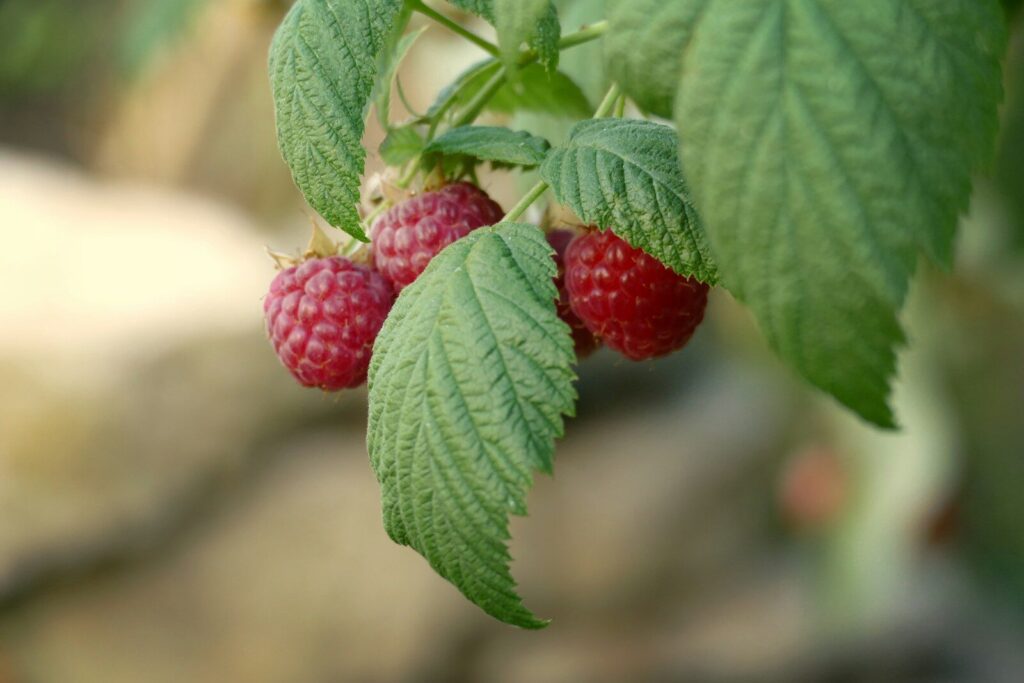
Raspberries are a popular fruit for both their delicious taste and their health benefits. They are high in antioxidants, fiber, and vitamins C and K, making them a great addition to any diet. Growing raspberries at home is also a fun and rewarding activity. In this blog post, we will go over the basics of how to grow raspberries.
- Choose the Right Variety There are two types of raspberries: summer-bearing and everbearing. Summer-bearing raspberries produce fruit once a year, usually in mid-summer. Everbearing raspberries produce fruit twice a year, once in mid-summer and again in the fall. Choose the variety that suits your needs best. It’s also important to select a variety that is appropriate for your climate and soil conditions. Check with your local nursery or extension office for recommendations.
- Planting Raspberries prefer well-draining soil that is rich in organic matter. They also need full sun to grow and produce fruit. When planting raspberries, choose a location that gets at least six hours of sunlight per day. Plant the raspberries in rows, leaving about 2-3 feet between each plant. Make sure to dig a hole that is deep enough to cover the roots of the plant, but not too deep that the crown of the plant is covered.
- Watering and Fertilizing Raspberries need consistent moisture to grow and produce fruit. Water them deeply once a week, especially during dry spells. You can also mulch around the plants to help retain moisture. Fertilize raspberries in early spring with a balanced fertilizer. You can also apply a nitrogen-rich fertilizer in the late spring or early summer to encourage growth.
- Pruning Pruning is an essential part of growing raspberries. It helps to promote new growth and keeps the plants healthy. Prune summer-bearing raspberries in the late fall or early spring by cutting back the canes that produced fruit to the ground. Leave the new canes that will produce fruit the following year. Everbearing raspberries should be pruned in the same way, but you can also prune the canes that produced fruit in the summer to encourage a fall crop.
- Pest and Disease Control Raspberries are susceptible to pests and diseases, but there are steps you can take to minimize damage. Keep the area around the plants clean and free of debris to discourage pests. You can also use organic insecticides and fungicides if needed. If you notice any signs of disease, such as yellow leaves or wilting, remove the affected plants immediately to prevent the spread of the disease.
Growing raspberries can be a fun and rewarding experience. By following these simple steps, you can enjoy fresh raspberries straight from your garden.