
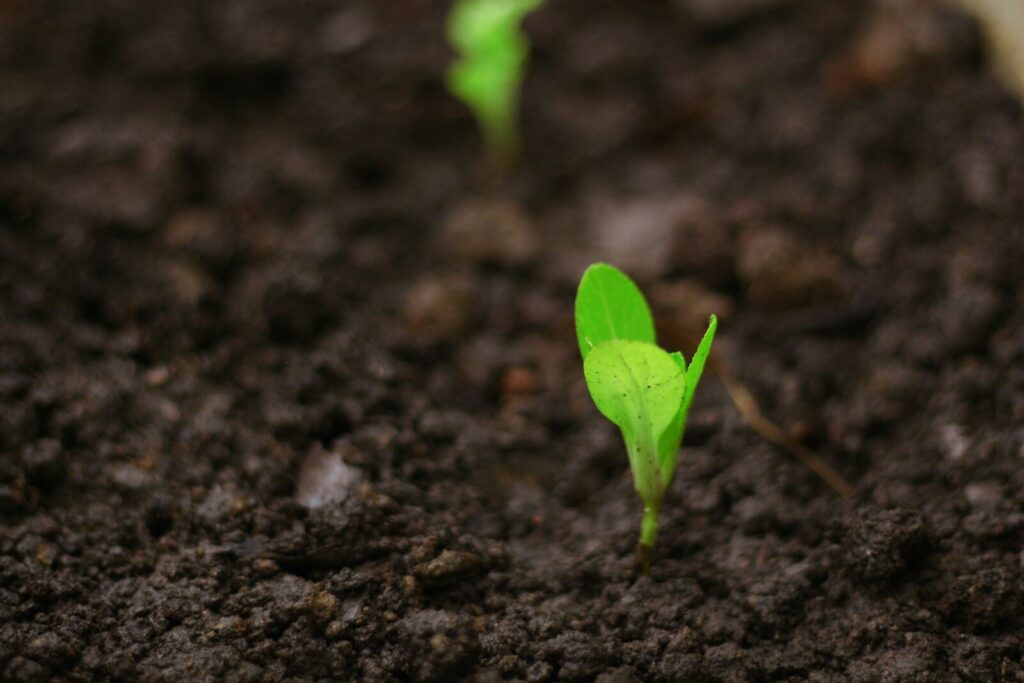
Spring is the most exciting time for backyard gardeners in Canada. After months of cold weather, the soil finally warms up and it is time to grow fresh food again. But planting too early can be risky. A late frost can kill tender plants overnight.
The secret to a successful garden is planting each vegetable at the right time. Some vegetables like cold weather and can be planted early in spring. Others need warm soil and must wait until the frost risk is gone.
In most of Canada, the last spring frost happens between late April and early June, depending on the region. Southern Ontario and Quebec often see their last frost in late April to mid-May, while colder regions may see frost into early June. (mygardenplanner.ca)
A simple rule many Canadian gardeners follow is the Victoria Day long weekend in May. By that time, warm-season plants like tomatoes and peppers are usually safe to plant outside. (Global News)
This guide explains when to plant the most popular backyard vegetables, including tomatoes, peppers, potatoes, beans, carrots, and more.
Understanding Frost and Growing Seasons
Before planting anything, it helps to understand frost dates.
The last frost date is the average day when freezing temperatures stop happening in spring. After this date, the risk of frost is much lower.
Vegetables fall into three main groups:
1. Cold-hardy vegetables
These plants can survive cool temperatures and light frost.
Examples:
- Peas
- Lettuce
- Spinach
- Carrots
- Potatoes
These can often be planted 2–6 weeks before the last frost. (mygardenplanner.ca)
2. Semi-hardy vegetables
These plants tolerate mild cold but prefer warmer soil.
Examples:
- Beets
- Broccoli
- Onions
- Cauliflower
These are usually planted around the last frost date. (Ontario)
3. Warm-season vegetables
These plants need warm soil and cannot survive frost.
Examples:
- Tomatoes
- Peppers
- Beans
- Cucumbers
- Squash
These should be planted 1–2 weeks after the last frost. (mygardenplanner.ca)
Early Spring Planting (April – Early May)
Early spring is when the soil first becomes workable. In many parts of Canada, this happens in April or early May.
These vegetables grow well in cooler weather.
Potatoes
Potatoes are one of the easiest vegetables to grow in a backyard garden.
Plant seed potatoes 2–4 weeks before the last frost once the soil reaches about 4–7°C. (Ontario Bakery)
In southern Ontario, this usually means planting in mid to late April.
To plant potatoes:
- Cut seed potatoes into pieces with at least one eye.
- Dig a trench about 10 cm deep.
- Place potatoes about 30 cm apart.
- Cover with soil.
As the plants grow, pile soil around them. This is called hilling, and it helps produce more potatoes.
Potatoes usually take 70–120 days to mature. (mygardenplanner.ca)
Peas
Peas love cool weather and grow best in spring.
They can be planted 4–6 weeks before the last frost. (mygardenplanner.ca)
In many Canadian gardens, this means early to mid-April.
Plant peas directly in the soil. They do not transplant well.
Helpful tips:
- Plant seeds about 2–3 cm deep.
- Use a small trellis or fence for climbing peas.
- Keep the soil moist.
Peas are usually ready to harvest in 55–70 days. (mygardenplanner.ca)
Lettuce
Lettuce is another great early vegetable.
It grows best in cool temperatures and can be planted 2–4 weeks before the last frost. (mygardenplanner.ca)
Gardeners often plant lettuce in late April or early May.
Lettuce can be planted in rows or scattered across a garden bed.
Because it grows quickly, you can plant small batches every two weeks. This is called succession planting and gives you fresh lettuce all season.
Carrots
Carrots are root vegetables that grow well in cool soil.
They can be planted 2–3 weeks before the last frost. (mygardenplanner.ca)
For many Canadian gardeners, this means late April or early May.
Carrot seeds are very small. Sprinkle them lightly in rows and cover with a thin layer of soil.
Carrots take about 60–80 days to mature. (mygardenplanner.ca)
Mid-Spring Planting (Mid May)
By mid-spring the soil is warmer and more vegetables can be planted.
Many gardeners in Canada start planting around the May long weekend, when frost risk becomes much lower. (Global News)
Onions
Onions are hardy vegetables that can be planted early.
Most gardeners plant onion sets or seedlings in early May.
Plant them about:
- 2–3 cm deep
- 10 cm apart
Onions grow slowly and usually take 90–120 days to mature. (mygardenplanner.ca)
Beets
Beets grow well in cool weather but need slightly warmer soil than peas or spinach.
Plant beet seeds around the last frost date.
This usually means mid-May in southern Canada.
Beets grow quickly and are ready in 50–70 days. (mygardenplanner.ca)
Both the root and the leaves can be eaten.
Broccoli
Broccoli grows best in cool temperatures.
Many gardeners start broccoli indoors and transplant it outside in mid-May.
Plant broccoli about:
- 45 cm apart
- In rich soil with lots of compost
Broccoli usually matures in 55–80 days. (mygardenplanner.ca)
Late Spring Planting (Late May – Early June)
Late spring is the most exciting time in the garden. This is when warm-season vegetables finally go outside.
These plants need warm soil and no frost.
Tomatoes
Tomatoes are the most popular backyard vegetable in Canada.
They must be started indoors 6–8 weeks before the last frost. (mygardenplanner.ca)
In many regions, gardeners start tomato seeds in March or early April.
Tomatoes should only be planted outdoors 1–2 weeks after the last frost. (mygardenplanner.ca)
In southern Ontario this usually means:
Late May or early June.
Plant tomatoes in full sun with rich soil.
Tips for success:
- Plant them deep in the soil.
- Use cages or stakes for support.
- Water regularly.
Tomatoes need about 60–85 days after transplanting to produce fruit. (mygardenplanner.ca)
Peppers
Peppers love heat and need a long growing season.
They should be started 8–10 weeks before the last frost indoors. (mygardenplanner.ca)
Plant peppers outside about two weeks after the last frost.
This usually means late May or early June in much of Canada.
Peppers grow best when:
- Soil temperature is warm
- Plants receive full sun
- Nights stay above 10°C
Peppers take 60–90 days to mature after transplanting. (mygardenplanner.ca)
Beans
Beans grow quickly and are easy to plant.
Unlike tomatoes and peppers, they are usually planted directly in the garden.
Plant beans 1–2 weeks after the last frost. (mygardenplanner.ca)
This is often late May or early June.
Beans grow best in warm soil.
They are ready to harvest in 50–65 days. (mygardenplanner.ca)
Cucumbers
Cucumbers are another warm-season crop.
Start seeds indoors 3–4 weeks before the last frost or plant them directly outside once the soil warms up. (mygardenplanner.ca)
Plant cucumbers outside after the last frost, usually late May or early June.
They grow quickly and produce lots of fruit.
Cucumbers usually mature in 50–65 days. (mygardenplanner.ca)
Squash and Zucchini
Squash and zucchini love warm soil and sunlight.
Plant them after the last frost, often in late May or early June.
These plants grow large, so give them plenty of space.
Squash plants usually mature in 45–60 days. (mygardenplanner.ca)
Many gardeners grow zucchini because it produces a large harvest from just a few plants.
A Simple Canadian Planting Timeline
Here is an easy schedule for many Canadian backyard gardens.
April
Plant outdoors:
- Peas
- Lettuce
- Spinach
- Potatoes
Early May
Plant outdoors:
- Carrots
- Onions
- Beets
- Broccoli
Late May
Plant outdoors:
- Tomatoes
- Peppers
- Beans
- Cucumbers
- Squash
Tips for a Successful Backyard Garden
Check Your Local Frost Date
Every region in Canada is different.
The best planting time depends on:
- Latitude
- Elevation
- Distance from water
Even small changes in location can affect frost risk. (Ontario)
Local garden centres or seed packets often list planting dates for your area.
Warm the Soil
Warm soil helps plants grow faster.
You can warm soil by:
- Using raised beds
- Covering soil with black plastic
- Adding compost
Warm soil is especially important for tomatoes and peppers.
Start Some Seeds Indoors
Starting seeds indoors helps plants grow stronger before going outside.
Common vegetables started indoors include:
- Tomatoes
- Peppers
- Broccoli
- Cabbage
Starting indoors also helps Canadian gardeners extend the short growing season. (Better Homes & Gardens)
Harden Off Seedlings
Before planting indoor seedlings outside, they need to get used to outdoor conditions.
This process is called hardening off.
For about one week:
- Place seedlings outside for a few hours each day
- Slowly increase the time outside
This prevents shock and helps plants grow better.
You’ve got this!
Planting a backyard vegetable garden in Canada is all about timing.
Cool-weather vegetables like peas, carrots, and potatoes can go into the ground in early spring. These plants can handle cold soil and even light frost.
Mid-spring is the time to plant vegetables like onions and beets.
Warm-season vegetables such as tomatoes, peppers, cucumbers, and beans must wait until after the last frost, usually around late May or early June in many parts of Canada.
By following these seasonal planting windows, gardeners can grow healthy plants and enjoy fresh vegetables all summer long.
With good timing, sunlight, water, and care, even a small backyard garden can produce a big harvest.